

Blog
Signature Lawn and Landscape LLC
Why Choose OEM Artificial Sports Turf for Your Business?
Choosing OEM Artificial Sports Turf can shape your business reputation, operating costs, and customer experience. It is more than a green surface installed beside a facility. The right system must match your sport, climate, usage level, and maintenance capacity. A football academy may need resilient yarn and strong shock absorption. A rooftop training center may prioritize drainage, weight, and heat control. OEM production allows these details to be adjusted before manufacturing begins.
Experienced suppliers can help specify pile height, yarn shape, backing layers, infill, and seam strength. They should also provide clear product data and relevant laboratory test reports. Ask how the turf performs under ultraviolet exposure, repeated foot traffic, heavy rain, and seasonal temperature changes. Request samples. Inspect the backing. Check whether water leaves the surface quickly after a storm. Small details matter.
Reliability also depends on the supplier’s process. Review factory quality controls, material traceability, installation guidance, and after-sales support. A consistent batch can prevent visible color differences across a large field. It can also reduce replacement problems later. Still, no product is perfect. Even careful planning has blind spots. A lower quotation may hide higher cleaning or repair costs. A premium system may be unnecessary for light recreational use. Compare lifecycle value, not appearance alone. With practical testing and honest communication, OEM Artificial Sports Turf can become a dependable business investment rather than a costly guess.
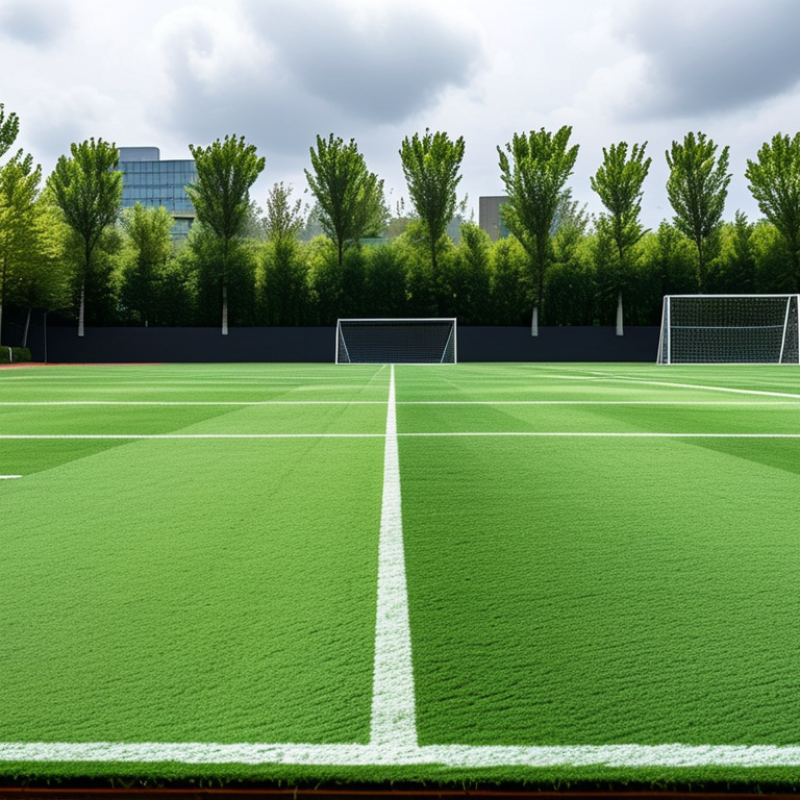
What OEM Artificial Sports Turf Means for Commercial Buyers
Why Choose OEM Artificial Sports Turf for Your Business?
What OEM Artificial Sports Turf Means for Commercial Buyers
OEM artificial sports turf is manufactured to a buyer’s specifications, not simply resold from a standard catalog. A commercial buyer may request a specific pile height, fiber shape, backing structure, color blend, or roll width. These details affect ball response, player comfort, drainage, and installation waste. It is not simple. OEM production can also support private packaging and consistent product identification for larger projects.
Experienced buyers should request physical samples before approving production. Compare fiber recovery after compression, backing flexibility, seam behavior, and water flow through the sample. Ask for documented laboratory results covering UV resistance, wear performance, tensile strength, and drainage capacity. Details matter. A product designed for a training field may not suit a school courtyard or a heavily used rental venue. The surface needs to match actual traffic, maintenance routines, and local weather.
Reliable OEM cooperation depends on clear specifications and honest communication. Confirm minimum order quantities, production lead times, color tolerances, inspection procedures, and warranty limitations in writing. A low quotation can hide costly sampling delays or inconsistent batches. That gap matters. Buyers should also review installation guidance and ask how defects are handled after delivery. OEM turf offers useful control, but it demands careful planning. Some decisions may need revision after site testing, especially when drainage, heat, or intense daily use differs from the original assumptions.
How OEM Turf Manufacturing Supports Business-Specific Requirements
Why Choose OEM Artificial Sports Turf for Your Business?
OEM turf manufacturing helps businesses turn a general product into a site-specific solution. A school may need a softer surface for daily training, while a hotel may prioritize appearance and low maintenance. An experienced manufacturer can adjust pile height, yarn shape, density, backing, and color to match these different demands. Small details matter. A five-millimeter drainage opening can affect how quickly rainwater leaves a busy court.
The process usually begins with drawings, samples, and measurable performance targets. Manufacturers can test fiber resilience, UV resistance, seam strength, and water flow before larger production begins. Businesses should request test reports, material specifications, and quality-control records. These documents support safer purchasing decisions and make communication clearer between suppliers, installers, and project managers. Custom rolls can also reduce cutting waste when the site has unusual corners or narrow walkways.
Real projects rarely follow the first plan perfectly. A sample may look excellent but feel too firm underfoot. A color can appear different under indoor lighting. That deserves another review. Open communication allows the factory to revise the backing or fiber blend before production. However, customization can increase lead times and inspection work. Businesses should allow room for testing, shipping delays, and installation adjustments. Practical OEM support is not only about making turf look distinctive. It connects material choices with actual use, local weather, maintenance routines, and long-term operating costs.
Key Materials and Performance Features to Evaluate
Why Choose OEM Artificial Sports Turf for Your Business?
Choosing OEM artificial sports turf requires more than comparing product prices. The materials determine how the surface performs after thousands of training hours. Polyethylene yarn usually offers a softer feel and suitable resilience for football, hockey, and multi-use fields. Nylon provides stronger recovery but can feel firmer underfoot. A higher pile is not always better. Excessive height may reduce ball stability and increase maintenance demands.
The backing system deserves careful inspection. Look for a stable primary backing, dependable secondary coating, and clean drainage perforations. These features help control dimensional movement after rain and temperature changes.
In field evaluations, I check seam strength, tuft binding, yarn density, and loose-fiber resistance. Small defects often become visible near heavily used goal areas. That detail matters to facility owners.
Performance testing should include shock absorption, vertical deformation, traction, ball roll, and surface temperature. Ask for documented test methods, not attractive claims alone. Infill depth must remain consistent, because uneven infill can affect footing and ball response.
UV resistance is also essential in exposed locations. Still, no synthetic surface performs perfectly. Poor sub-base preparation can undermine excellent turf materials.
Regular brushing, infill redistribution, seam checks, and drainage inspections remain necessary. A practical OEM supplier should provide sample panels, technical data, installation guidance, and realistic service expectations. Some specifications may look impressive on paper but require independent verification.
OEM Production, Quality Control, and Customization Processes
Why Choose OEM Artificial Sports Turf for Your Business?
OEM artificial sports turf gives businesses control over production, quality, and product identity. Experienced manufacturers can adjust pile height, yarn shape, color blends, backing layers, and roll dimensions. These details matter on football fields, training grounds, school courts, and commercial fitness spaces. A shorter pile may support faster ball movement. A denser surface can improve comfort and visual coverage.
Reliable OEM production begins with a clear specification sheet. It should define fiber materials, stitch rate, backing strength, drainage design, and packaging requirements. During manufacturing, quality teams can inspect yarn thickness, tufting consistency, seam behavior, and roll measurements. Practical tests may include water drainage, yarn pull resistance, UV exposure, and dimensional stability. Batch records also help trace problems when a shipment does not perform as expected.
Customization is useful, but it needs discipline. Sample rolls should be checked under outdoor light, not only in a showroom. Color differences can appear between production batches. That is easy to overlook. A prototype may also feel excellent while its backing needs stronger reinforcement. Honest review prevents expensive corrections later. Regular factory communication, inspection reports, and pre-shipment approval create a more dependable supply process. The best results come from testing the turf in conditions that resemble its final location. Temperature, rain, footwear, and maintenance habits can all change performance.
Business Applications, Cost Factors, and Supplier Selection Criteria
OEM artificial sports turf supports schools, gyms, training centers, hotels, and community facilities. Schools may install it for daily football practice and safer recess areas. Fitness businesses can create compact indoor training zones with consistent traction. Hotels often use small turf spaces for recreation or personal coaching. Field experience shows that usage patterns matter more than appearance alone. A heavily used five-a-side pitch needs stronger backing and dependable drainage.
Cost planning should include more than the turf roll. Ground preparation, shock pads, drainage, installation, infill, cleaning, and future replacement all affect the budget. A cheaper surface may require more frequent brushing or repairs. That gap matters. Ask for a written quotation with quantities, labor rates, delivery terms, and maintenance assumptions. Request sample areas, not only small hand samples. A sample can hide seam behavior and heat buildup. No estimate is perfect. Leave room for weather delays and unexpected ground repairs.
Supplier selection requires practical evidence. Check product specifications, wear testing, fire performance, UV resistance, drainage results, and warranty conditions. Confirm whether the supplier can provide installation guidance and replacement materials later. Reliable suppliers explain limitations instead of promising universal performance. They should discuss local climate, user volume, cleaning routines, and sports requirements. Ask for references from similar facilities and inspect completed surfaces when possible. Measure twice. A clear maintenance schedule, responsive communication, and traceable technical documents can protect the investment.
Why Choose OEM Artificial Sports Turf for Your Business?
Business applications such as football, field hockey, and tennis require different field dimensions. These specifications affect OEM turf roll planning, seam placement, infill volume, installation labor, and total project cost.
The dimensions shown are established reference sizes: a FIFA-recommended football pitch is 105 × 68 m, an international field hockey pitch is 91.4 × 55 m, and a regulation doubles tennis court is 23.77 × 10.97 m. When selecting an OEM supplier, compare product specifications, UV and wear resistance, drainage design, warranty terms, quality control, customization capability, and installation support.


Share On: