How to Choose Lawn Maintenance Equipment in 2026?
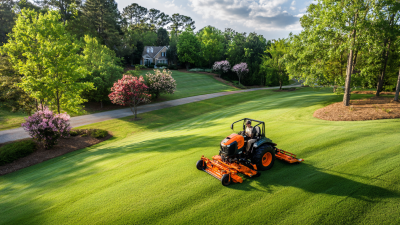
Choosing lawn maintenance equipment in 2026 requires more than comparing prices and engine power. A reliable decision begins with the property itself. Measure the lawn area, note steep slopes, inspect narrow gates, and identify wet or shaded sections. A compact battery mower may suit a small urban yard, while a self-propelled model can reduce strain across uneven ground. For larger properties, zero-turn mowers save time, but they demand storage space and confident handling.
Modern equipment offers quieter motors, improved battery systems, and smarter controls. However, new features are not automatically better. Check battery replacement costs, charging time, cutting width, warranty terms, and local service availability. Read the manufacturer’s manual before buying. Professional landscapers also consider vibration, handle adjustment, blade access, and the availability of replacement parts. These details matter during a long Saturday of Maintenance Lawn Care, especially when temperatures rise and grass clippings block a deck.
Safety remains central. Look for dependable guards, emergency controls, stable wheels, and suitable protective equipment. Electric tools reduce fuel storage, yet batteries still require careful charging and dry storage. Gas-powered machines may offer longer continuous operation, but maintenance can be more demanding. No choice fits every yard.
That is the difficult part.
A sensible equipment plan may combine several tool types instead of relying on one machine. My own preference can change after testing a mower on wet turf or a trimmer beside stone edging. Real conditions often expose weaknesses that product specifications hide. This guide examines practical equipment choices through performance, durability, comfort, cost, and responsible ownership.
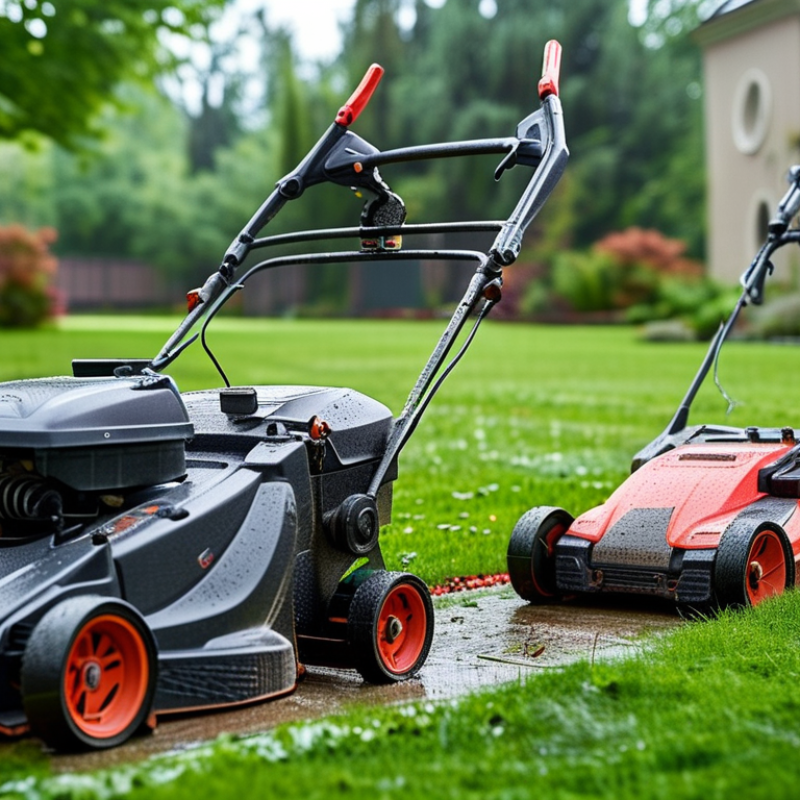
Classify Lawn Size, Terrain, and Frequency Using Professional Mowing Data
How to Choose Lawn Maintenance Equipment in 2026?
Classify lawn size, terrain, and mowing frequency before comparing equipment. Professional mowing logs often divide residential lawns into three practical groups. Small lawns under 5,000 square feet usually need compact equipment with easy storage. Medium lawns from 5,000 to 20,000 square feet benefit from wider cutting decks and stronger runtime. Large lawns above 20,000 square feet require efficient refueling or battery planning.
Terrain changes the decision quickly. Flat grass allows lighter equipment and steady walking speed. Slopes, wet areas, tree roots, and narrow gates demand better traction and maneuverability. A 21-inch deck may suit a lawn with many obstacles, even when a wider deck looks faster. Measure turning space near fences and garden beds. Small details matter.
Frequency also affects durability. Weekly mowing during peak growth needs reliable cutting performance and simple cleaning access. Occasional mowing may justify a lower-capacity machine, but tall grass creates extra load. Field records suggest that mowing time rises sharply when grass exceeds the recommended height. I have underestimated this before, especially after several rainy days. The machine worked, but the finish looked uneven. Track minutes per visit, grass height, slope, and charging or refueling time for one month. Those imperfect notes often reveal more than a specification sheet. Consider noise, storage, maintenance access, and operator comfort alongside cutting power.
Select Cutting Systems for the Recommended 2–4 Inch Turf Height
Choosing Lawn Maintenance Equipment in 2026
For the recommended 2–4 inch turf height, select a cutting system with precise height adjustment. A rotary mower suits mixed lawns, uneven ground, and taller grass. Its adjustable deck can maintain a practical three-inch setting without scalping small bumps. A reel mower offers a cleaner cut on smooth, dense turf. However, it performs poorly when grass becomes woody or excessively tall. In my field experience, sharp blades matter more than impressive engine power. Dull blades leave torn tips, which turn pale and dry during warm weather.
Check the height on a level section of lawn, not beside a curb or tree root. Measure after mowing, because deck settings can differ from the actual cut. I once trusted the adjustment label and cut too low. That shortcut was wrong. The turf needed several weeks to recover. Choose wider wheels for soft soil, and consider a mulching system when clippings are fine and evenly distributed. Collect clippings after heavy growth to prevent damp layers from covering the crown.
Tips: Keep the cutting height near three inches during active growth. Raise it slightly during drought or heat. Sharpen blades regularly, and inspect them after striking stones. Avoid removing more than one-third of the grass blade at once. Test a small area first. Turf conditions change. Recheck them.
How to Choose Lawn Maintenance Equipment in 2026?
Select cutting systems for the recommended 2–4 inch turf height.
Typical mowing-height ranges vary by turf species, cultivar, season, and site conditions. For lawns maintained between 2 and 4 inches, choose equipment with reliable height adjustment and a cutting deck designed to maintain an even cut. Reel systems are generally associated with lower mowing heights, while rotary systems are commonly used for standard residential and landscape turf.
Evaluate Noise and Safety Against NIOSH’s 85 dBA Exposure Benchmark
How to Choose Lawn Maintenance Equipment in 2026?
Noise should be measured, not guessed. NIOSH uses 85 dBA as the recommended exposure limit for an eight-hour workday. Above that level, allowable exposure time decreases quickly. A mower that sounds tolerable for ten minutes may become harmful during a full shift. Check sound levels at the operator’s ear, preferably with a calibrated meter. Phone apps can help with screening, but they are not precise enough for final decisions.
Tips: Compare equipment at full operating power, not idle speed. Look for adjustable noise settings and solid vibration control. Keep blades sharp and engines maintained, because poor maintenance often increases noise. Wear suitable hearing protection when readings approach or exceed 85 dBA. Avoid assuming earplugs solve every problem; correct fit matters, and workers still need to hear alarms or nearby people. Small details matter.
Safety also includes handling. Choose equipment with balanced weight, clear controls, emergency shutoffs, and guards that stay secure. Battery-powered tools may reduce engine noise, but they can still produce sharp cutting sounds. In practice, quieter equipment often encourages longer use, which can weaken the benefit. That is an easy mistake to miss. Review daily exposure, rotate noisy tasks when practical, and record unusual readings. A simple log can reveal patterns that casual testing overlooks.
Calculate Five-Year Costs from Purchase, Energy, Maintenance, and Storage
How to Choose Lawn Maintenance Equipment in 2026?
A five-year comparison should include more than the purchase receipt. Record purchase price, electricity or fuel, maintenance, battery replacement, and storage. The U.S. Energy Information Administration reported an average residential electricity price of 16.48 cents per kilowatt-hour in 2024. Use that figure as a starting point, then replace it with your local tariff. A machine using 1.2 kWh per mowing session, used 30 times yearly, would consume 180 kWh over five years. Its energy cost would be about 30 dollars before rate changes.
Fuel equipment needs a different calculation. Measure actual fuel use during three ordinary mowing sessions, not one optimistic test. Multiply annual fuel volume by five years and add seasonal price changes. The U.S. Energy Information Administration’s motor fuel data can support a regional estimate. Maintenance deserves its own line. Include oil, filters, blades, spark plugs, sharpening, and professional labor. The Bureau of Labor Statistics Consumer Price Index can help adjust service costs, although local repair prices may move faster.
Storage is often ignored. A locked, dry area may require shelving, ventilation, charging protection, or rented space. Price those needs honestly.
Battery equipment may also need a replacement pack during the fifth year; its timing is uncertain.
My spreadsheet is imperfect, especially for battery life and future energy prices. That is precisely why I test the calculation against a low-use and high-use scenario. One number can mislead.
Five-year ownership cost is purchase price plus energy, maintenance, replacement, and storage.





Share On: